
Filtered vs Unfiltered Extra Virgin Olive Oil
Filtered EVOO is gently clarified by passing the oil through natural filtration materials such as cotton or paper.
No chemicals or additives are used, filtration simply removes the microscopic particles that accelerate degradation.
Importantly, filtration does not remove polyphenols, antioxidants, or nutritional compounds. Instead, it stabilizes the oil by eliminating moisture and solids that can compromise longevity.
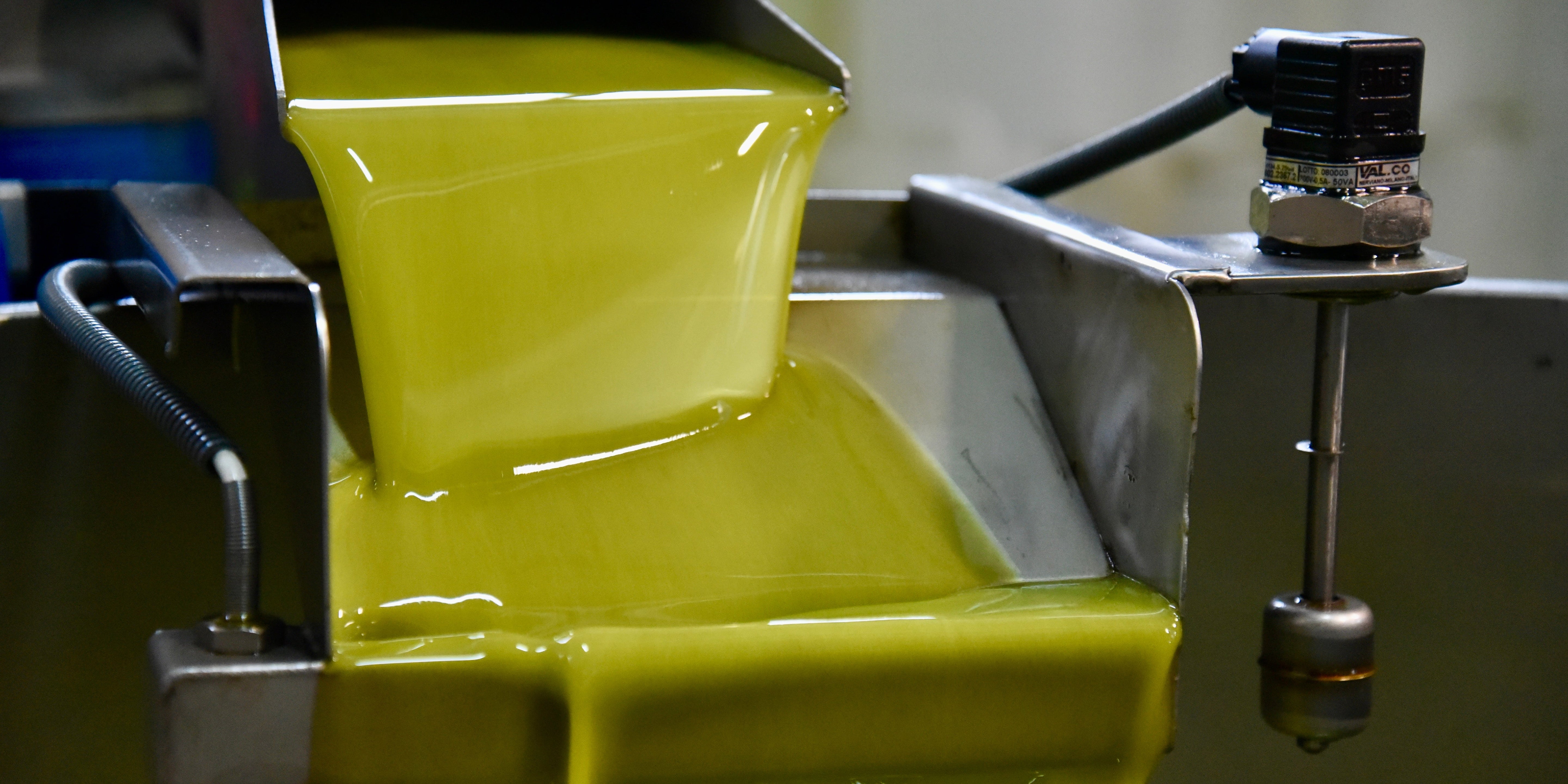
With modern milling technology, such as the water-free extraction system used at Tenute Cristiano, olive oil already begins its life exceptionally clean. Filtration then becomes a precise final step that preserves:
-
aromatic clarity
-
structural balance
-
antioxidant richness
-
long-term stability
Does Filtration Change the Taste?
There is a noticeable difference in sensory expression.
Unfiltered oils
-
bold and rustic in the earliest weeks
-
slightly cloudy and dense
-
flavour can evolve rapidly over time
Filtered oils
-
cleaner aromatics
-
more defined bitterness and pepperiness
-
clearer expression of the olive cultivar
For many professional tasters, filtration enhances precision and balance rather than diminishing flavour.
Shelf Life: Stability Over Time
Shelf life is where the difference between filtered and unfiltered olive oil becomes most evident.
Unfiltered oils
-
prone to oxidation and fermentation
-
quality declines relatively quickly
-
best consumed within a few months of production
Filtered oils
-
significantly more stable
-
maintain aroma and structure longer
-
often remain expressive for 12–18 months or more when properly stored
This stability is why many premium producers choose filtration.
Expert Insights
Many olive oil experts support filtration as a key step for preserving quality.
Olive oil critic Marco Oreggia and research frequently cited in professional publications such as Olive Oil Times emphasize that clarity and stability are essential characteristics of high-quality extra virgin olive oil.
Removing suspended particles helps maintain the oil’s sensory integrity and protects it from premature deterioration.
Myths About Unfiltered Olive Oil
Several misconceptions persist in the world of olive oil.
Myth: Unfiltered olive oil is more natural
Reality: Both filtered and unfiltered oils are equally natural.
Myth: Filtration removes polyphenols
Reality: Polyphenols remain in the oil; filtration removes only solids and moisture.
Myth: Cloudiness means higher quality
Reality: Cloudiness simply indicates the presence of sediments.
Quality depends on fresh olives, careful milling, and proper storage, not turbidity.
Which Should You Choose?
The choice depends on how you plan to enjoy the oil.
Choose unfiltered EVOO if you appreciate rustic intensity and intend to consume it quickly during the early harvest period.
Choose filtered extra virgin olive oil if you value clarity, stability, and a precise sensory profile that evolves gracefully over time.
Our Philosophy
At Tenute Cristiano, we filter all of our extra virgin olive oils.
Filtration enhances purity, stability, and aromatic definition, ensuring the oil maintains its character throughout its life.
Our advanced water-free extraction system already produces exceptionally clean oil at the mill. Filtration then refines and protects that structure, preserving polyphenols, freshness, and vibrant aromas with remarkable efficiency.
The result is an olive oil that remains expressive, balanced, and true to its origin.