

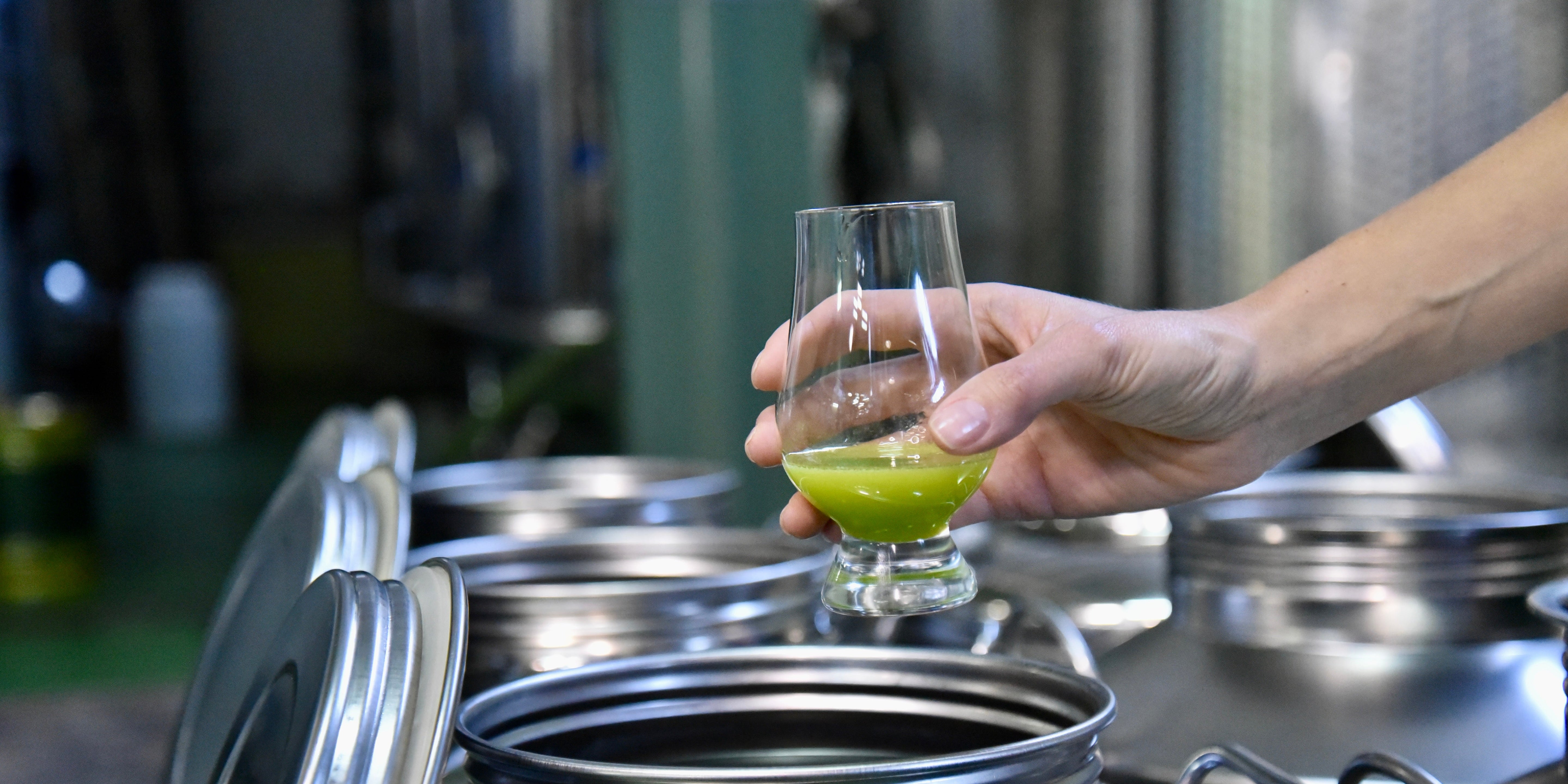
Why Extra Virgin Olive Oil Changes Every Year | Understanding Olive Oil Vintage
Premium extra virgin olive oil (EVOO) is a living expression of nature. Unlike industrial oils designed for uniformity, high-quality olive oil changes from year to year.
Its flavour, aroma, and structure evolve depending on climate conditions, fruit health, harvest timing, and milling decisions. Much like wine, extra virgin olive oil has its own vintage, and each season writes a new chapter in its identity.
Understanding why olive oil changes every year helps explain the beauty and authenticity of real EVOO.
Olive Trees Respond to Nature
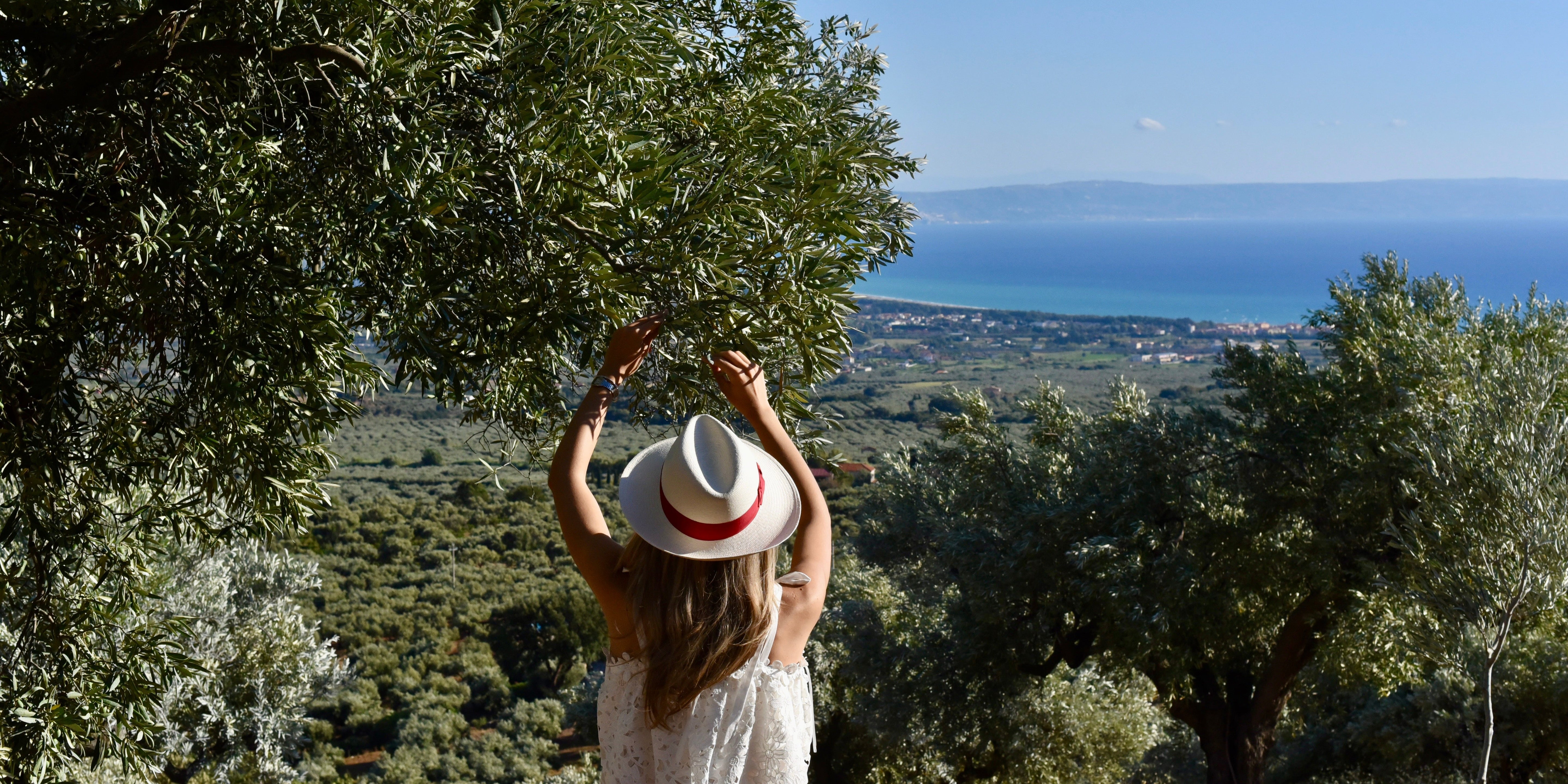
Olive trees are deeply connected to their environment.
Throughout the year they experience temperature changes, rainfall patterns, drought, wind, and seasonal shifts. Each of these factors influences how olives develop on the tree.
Because of this, every harvest carries the distinct sensory imprint of the season, which is reflected in the character of the oil.
Climate and the Olive Oil Vintage
Climate plays a fundamental role in shaping the vintage of extra virgin olive oil.
Different stages of the year influence the final oil:
-
Winter affects flowering potential
-
Spring determines fruit set
-
Summer influences aromatic concentration
-
Autumn guides ripening and harvest conditions
Cool and balanced seasons often produce elegant, refined oils, while warmer or drier seasons can generate more intense and structured profiles.
Pests, Rain, and Wind
Natural events can also influence the final quality of the oil.
Pressure from olive fruit fly, unexpected rainfall during harvest, or strong winds can affect the fruit in subtle or significant ways.
These variables may change aromatic intensity, bitterness, or overall balance, further contributing to the uniqueness of each vintage.
Harvest Timing
The moment of harvest has a profound effect on the style of extra virgin olive oil.
-
Early harvest oils tend to be greener, more vibrant, and richer in polyphenols
-
Later harvest oils usually develop softer textures and rounder flavours
Producers must carefully evaluate fruit maturity to decide when to begin harvesting.
The Role of the Olive Mill
The mill is where the character of the season is preserved.
Key factors such as:
-
extraction temperature
-
oxygen control
-
milling speed
-
filtration
determine how faithfully the nuances of the harvest year are captured in the final oil.
What Changes Each Year
Because of all these variables, several sensory attributes evolve naturally from year to year:
-
fruitiness
-
bitterness
-
pungency
-
aromatic clarity
-
overall balance
No two harvests are identical, and this variation is part of the beauty of authentic extra virgin olive oil.
Cultivar as the Lens of the Vintage
Each olive cultivar interprets the season in its own way.
Some varieties amplify the conditions of the year more than others:
-
Coratina remains bold and structured, becoming even more vibrant in cooler or drier seasons
-
Arbequina is naturally delicate and soft, often becoming smoother in rainy years
-
Frantoio and Leccino can express remarkable elegance when the climate is balanced
Carolea, the signature cultivar of Tenute Cristiano, reflects seasonal variation with particular clarity. In balanced years it offers harmonious notes of almond and fresh herbs. In cooler or drier seasons it becomes greener, more structured, and refined in its peppery finish.
Why Industrial Oils Taste the Same Every Year
Many commercial olive oils taste identical from year to year because they are blended from multiple origins and harvests.
This industrial standardization removes the natural variation of the harvest.
By contrast, premium extra virgin olive oil celebrates the uniqueness of each season, much like fine wine vintages.
How Olive Oil Evolves After Harvest
Extra virgin olive oil does not improve with age.
Freshly produced oil is typically vibrant, green, and aromatic. Over time:
-
bitterness gradually softens
-
aromas slowly fade
-
polyphenol levels decline
Expert milling, careful filtration, and proper storage help slow this natural evolution, but they cannot stop it entirely.
Tenute Cristiano’s Perspective
At Tenute Cristiano, every harvest is treated as a unique vintage.
With our family mill, we adapt immediately to the conditions of the season, harvesting early and extracting with precision to preserve clarity, vibrancy, and the authentic character of each year.
For us, the beauty of extra virgin olive oil lies precisely in this natural variation.

%20is%20a%20living%20expression%20of%20nature.%20Unlike%20industrial%20oils%20designed%20for%20uniformity,%20high-quality%20olive%20oil%20changes%20from%20year%20to%20year.%0AIts%20flavour,%20aroma,%20and%20str...)